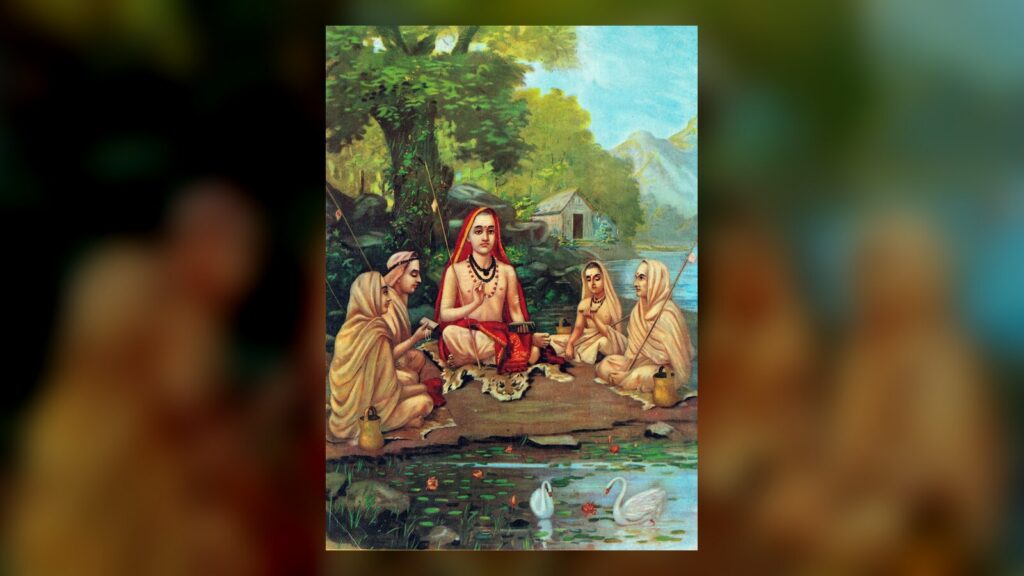
भारतीय इतिहास और सनातन धर्म के आकाश में कई महान संतों और दार्शनिकों ने जन्म लिया, लेकिन जगद्गुरु आदि शंकराचार्य (Adi Shankaracharya) का स्थान सबसे अद्वितीय और अलौकिक है। जरा सोचिए, एक ऐसा संन्यासी जो मात्र 32 वर्ष की अल्पायु तक इस पृथ्वी पर रहा, लेकिन उस छोटी सी उम्र में उसने पूरे भारत की पैदल यात्रा की, सनातन धर्म को विलुप्त होने से बचाया, चार कोनों में चार विशाल मठों की स्थापना की और ‘अद्वैत वेदांत’ (Advaita Vedanta) का ऐसा अमर दर्शन दिया जिसने दुनिया भर के दार्शनिकों को नतमस्तक कर दिया।
जिस समय आदि शंकराचार्य का प्राकट्य हुआ, उस समय भारत वैचारिक अराजकता, पाखंड, अंधविश्वास और सैकड़ों छोटे-मोटे संप्रदायों के आपसी झगड़ों में बंटा हुआ था। वैदिक ज्ञान लगभग लुप्त हो रहा था। ऐसे संकट के समय शंकराचार्य ने किसी तलवार, सेना या हिंसा का सहारा नहीं लिया, बल्कि उन्होंने केवल अपने शास्त्रार्थ, अगाध ज्ञान, तर्कशक्ति और प्रेम के बल पर पूरे भारत को उत्तर से दक्षिण और पूर्व से पश्चिम तक एक सूत्र में पिरो दिया।
इस विस्तृत लेख में हम आदि शंकराचार्य के जन्म, उनके बाल्यकाल के चमत्कारों, गुरु की खोज, अद्वैत वेदांत के सरल सिद्धांत, मंडन मिश्र के साथ ऐतिहासिक शास्त्रार्थ, चार मठों की स्थापना और केदारनाथ में महासमाधि की पूरी गाथा को बहुत ही सरल, आत्मीय और बोलचाल की हिंदी में समझेंगे।
प्रारंभिक जीवन और बाल्यकाल के अलौकिक चमत्कार
आदि शंकराचार्य का जन्म दक्षिण भारत के केरल राज्य में पूर्णा (पेरियार) नदी के तट पर स्थित कालड़ी (Kalady) नामक एक शांत गांव में हुआ था। उनके पिता का नाम श्री शिवगुरु और माता का नाम आर्याम्बा (विशिष्टा देवी) था। वे एक अत्यंत धर्मनिष्ठ नंबूदिरी ब्राह्मण परिवार से थे।
माता-पिता वर्षों तक संतानहीन थे। उन्होंने भगवान शिव की कठोर तपस्या की, जिसके बाद भगवान शिव ने उनके स्वप्न में आकर वरदान दिया कि वे स्वयं एक अल्पायु लेकिन सर्वज्ञ पुत्र के रूप में उनके घर जन्म लेंगे। बालक का नाम रखा गया — शंकर।
बालक शंकर की अद्भुत बुद्धि और मेधा
बालक शंकर की स्मरण शक्ति और बुद्धि इतनी विलक्षण थी कि जो बात सामान्य बच्चे महीनों में सीखते हैं, वे उसे एक ही बार सुनकर कंठस्थ कर लेते थे:
- मात्र 2 वर्ष की आयु में उन्होंने अपनी मातृभाषा मलयालम पढ़ना और लिखना सीख लिया था।
- 3 वर्ष की आयु में उन्होंने रामायण, महाभारत और पुराणों का अध्ययन कर लिया था। इसी समय उनके पिता शिवगुरु का देहांत हो गया, जिसके बाद माता आर्याम्बा ने उनका पालन-पोषण किया।
- मात्र 5 वर्ष की आयु में उनका उपनयन संस्कार हुआ और वे गुरुकुल गए।
- गुरुकुल में मात्र 8 वर्ष की अवस्था तक उन्होंने चारों वेदों, उपनिषदों और 6 वेदांगों का पूर्ण अध्ययन कर लिया। उनके गुरु भी उनकी अगाध प्रतिभा को देखकर चकित रह गए।
कनकधारा स्तोत्र: सोने के आंवलों की वर्षा का चमत्कार
बालक शंकर जब गुरुकुल में थे, तो वे ब्रह्मचारी के नियम के अनुसार भिक्षा मांगने एक अत्यंत निर्धन वृद्धा के घर गए। वह वृद्धा इतनी गरीब थी कि उसके घर में खाने के लिए अन्न का एक दाना भी नहीं था। उसने अपनी रसोई का कोना-कोना छान मारा, लेकिन उसे केवल एक सूखा हुआ आंवला मिला।
वृद्धा की आंखों में आंसू आ गए। उसने बड़े संकोच और भक्ति के साथ वह सूखा आंवला बालक शंकर की भिक्षा-झोली में डाल दिया और रोते हुए बोली, “बेटा! मेरे पास तुम्हें देने के लिए इसके सिवा कुछ नहीं है।”
उस गरीब वृद्धा की निस्वार्थ भावना और दरिद्रता को देखकर बालक शंकर का हृदय करुणा से भर गया। वे वहीं खड़े होकर माता महालक्ष्मी की स्तुति करने लगे। उनकी अंतरात्मा से 21 श्लोकों का एक ऐसा दिव्य स्तोत्र फूटा, जिसे आज हम ‘कनकधारा स्तोत्र’ (Kanakadhara Stotram) कहते हैं। बालक शंकर की निश्छल प्रार्थना से प्रसन्न होकर माता लक्ष्मी प्रकट हुईं और उस गरीब वृद्धा के घर में सोने के आंवलों की मूसलाधार वर्षा कर दी। वृद्धा का दारिद्र्य सदा के लिए समाप्त हो गया।
मगरमच्छ प्रसंग और संन्यास की आज्ञा
शंकर के मन में बचपन से ही तीव्र वैराग्य था और वे संन्यास लेना चाहते थे, लेकिन अपनी अकेली और बूढ़ी मां के मोह के कारण वे घर नहीं छोड़ पा रहे थे। मां किसी भी कीमत पर अपने इकलौते बेटे को संन्यासी बनने की आज्ञा नहीं दे रही थी।
एक दिन बालक शंकर अपनी मां के साथ पूर्णा नदी में स्नान करने गए। जैसे ही वे पानी में उतरे, एक विशाल मगरमच्छ ने उनका पैर अपने जबड़े में दबोच लिया और उन्हें गहरे पानी की ओर खींचने लगा। शंकर ने जोर से चिल्लाकर कहा, “मां! मुझे बचाओ, मगरमच्छ मुझे निगल रहा है!”
मां किनारे पर खड़ी रोने और छाती पीटने लगी। तब बालक शंकर ने कहा:
“मां! अब मेरा बचना असंभव है। लेकिन शास्त्रों में कहा गया है कि यदि कोई व्यक्ति मरते समय संन्यास का संकल्प ले ले, तो उसे मोक्ष मिलता है और उसका नया जन्म माना जाता है। यदि तुम मुझे अभी संन्यास लेने की अनुमति दे दो, तो शायद यह मगरमच्छ मुझे छोड़ दे और मुझे नया जीवन मिल जाए!”
बेटे के प्राण बचाने के लिए तड़पती मां ने रोते हुए तुरंत कह दिया, “बेटा! तू संन्यासी बन जा, बस जीवित बच जा!”
जैसे ही मां के मुख से संन्यास की अनुमति निकली, उस मगरमच्छ ने तुरंत शंकर का पैर छोड़ दिया और वह पानी में विलीन हो गया (माना जाता है कि वह मगरमच्छ एक गंधर्व था जो शापमुक्त होकर चला गया)। शंकर सुरक्षित बाहर आ गए। मां को अपना वचन याद आया। शंकर ने मां के चरण छुए और उन्हें वचन दिया कि “मां, जब भी तेरा अंतिम समय आएगा, तू मुझे केवल याद करना, मैं चाहे कहीं भी रहूं, तुरंत आकर तेरा अंतिम संस्कार अपने हाथों से करूंगा।” 8 वर्ष के बालक शंकर संन्यास के पथ पर निकल पड़े।
गुरु की खोज और ओंकारेश्वर में नर्मदा तट पर मिलन
केरल से पैदल चलते-चलते बालक शंकर मध्य भारत में पावन नर्मदा नदी के तट पर स्थित ओंकारेश्वर पहुंचे। वहाँ एक गुफा में महान सिद्ध योगी गुरु गोविंद भगवत्पाद समाधि में लीन थे, जो महर्षि पतंजलि के अवतार और आचार्य गौड़पाद के शिष्य थे।
शंकर गुफा के द्वार पर पहुंचे और उन्होंने गुरु की परिक्रमा की। गुफा के भीतर से एक गंभीर आवाज आई, “तुम कौन हो?”
इस साधारण से सवाल के जवाब में बालक शंकर ने जो उत्तर दिया, वह भारतीय दर्शन का सर्वोच्च शिखर बन गया। उन्होंने संस्कृत के 6 श्लोकों में अपना परिचय दिया, जिसे आज ‘निर्वाण षट्कम’ (Nirvana Shatkam) कहा जाता है:
“मनोबुद्ध्यहंकार चित्तानि नाहं, न च श्रोत्रजिह्वे न च घ्राणनेत्रे।
न च व्योम भूमिर्न तेजो न वायुः, चिदानन्दरूपः शिवोऽहम् शिवोऽहम्॥”
(अर्थात: मैं न मन हूँ, न बुद्धि, न अहंकार और न चित्त। मैं न कान, न जीभ, न नाक और न आँख हूँ। मैं न आकाश, न पृथ्वी, न अग्नि और न वायु हूँ। मैं तो केवल चैतन्य और आनंदस्वरूप शिव हूँ, शिव हूँ!)
यह उत्तर सुनकर गुरु गोविंद भगवत्पाद तुरंत समाधि से बाहर आए। उन्होंने गुफा से बाहर निकलकर बालक शंकर को अपने सीने से लगा लिया और कहा, “मुझे पहले से ज्ञात था कि स्वयं भगवान शिव मेरे पास शिष्य बनकर आ रहे हैं।” गुरु ने शंकर को विधिवत संन्यास की सर्वोच्च दीक्षा दी और उन्हें अद्वैत वेदांत के रहस्यों में पारंगत किया।
अद्वैत वेदांत क्या है? (Advaita Vedanta in Simple Language)
आदि शंकराचार्य के दर्शन को ‘अद्वैत वेदांत’ (Non-Duality) कहा जाता है। ‘अद्वैत’ का सीधा सा अर्थ है — ‘दो नहीं, केवल एक’।
शंकराचार्य ने पूरे उपनिषदों और वेदों के ज्ञान को एक ही अमर सूत्र में समेट दिया:
“ब्रह्म सत्यं जगन्मिथ्या, जीवो ब्रह्मैव नापरः”
(अर्थात: केवल परब्रह्म ही शाश्वत सत्य है, यह दिखाई देने वाला संसार मिथ्या (परिवर्तनशील) है, और जीवात्मा वास्तव में ब्रह्म से अलग नहीं, बल्कि स्वयं ब्रह्म ही है।)
रस्सी और सांप का सरल उदाहरण (Rope & Snake Analogy)
शंकराचार्य इस सिद्धांत को बहुत ही सरल उदाहरण से समझाते हैं:
- मान लीजिए कि शाम के धुंधलके में रास्ते पर एक रस्सी पड़ी हुई है।
- कम रोशनी (अज्ञान) के कारण आप उस रस्सी को सांप समझ लेते हैं। आपका दिल तेजी से धड़कने लगता है, आप डर से पसीने-पसीने हो जाते हैं और भागने लगते हैं। आपका यह डर बिल्कुल सच्चा है, लेकिन जिस सांप से आप डर रहे हैं, क्या वह वास्तव में वहाँ है? नहीं!
- जैसे ही कोई व्यक्ति टार्च या दीपक की रोशनी लेकर आता है, तो आप देखते हैं कि वहाँ कोई सांप नहीं था, केवल रस्सी थी। रोशनी आते ही सांप का भ्रम और आपका सारा डर एक सेकंड में गायब हो जाता है।
शंकराचार्य कहते हैं कि इसी तरह इस संसार में केवल एक ही परमात्मा (ब्रह्म) है। लेकिन अविद्या और अज्ञान (माया) के अंधेरे के कारण हमें यह संसार अनेक रूपों, जातियों, शरीरों और दुखों के रूप में दिखाई देता है। जब आत्मज्ञान का प्रकाश जलता है, तो सारा भेद मिट जाता है और मनुष्य को अपने भीतर और कण-कण में केवल एक ही चेतना का दर्शन होता है।
मंडन मिश्र के साथ ऐतिहासिक शास्त्रार्थ और माता भारती का प्रसंग
शंकराचार्य ने सनातन धर्म के पुनरुद्धार के लिए पूरे भारत में शास्त्रार्थ की यात्रा शुरू की। उस समय बिहार के महिष्मति (कुछ विद्वानों के अनुसार मिथिला) में पंडित मंडन मिश्र रहते थे, जो कर्मकांड और पूर्व मीमांसा के सबसे बड़े प्रकांड पंडित माने जाते थे। उनका मानना था कि केवल यज्ञ, हवन और कर्मकांड करने से ही स्वर्ग और मोक्ष मिलता है, संन्यास व्यर्थ है।
शंकराचार्य उनके घर पहुंचे और उन्हें शास्त्रार्थ की चुनौती दी। नियम यह तय हुआ कि यदि शंकराचार्य हार गए तो वे संन्यास छोड़कर गृहस्थ बन जाएंगे और मंडन मिश्र के शिष्य बनेंगे; और यदि मंडन मिश्र हार गए तो वे अपना यज्ञोपवीत तोड़कर संन्यासी बन जाएंगे और शंकराचार्य के शिष्य बनेंगे।
न्यायकर्ता बनीं विदुषी माता भारती
इस महान शास्त्रार्थ की मध्यस्थ और निर्णायक बनीं मंडन मिश्र की धर्मपत्नी देवी भारती (उभय भारती), जो स्वयं मां सरस्वती की साक्षात अवतार मानी जाती थीं। उन्होंने किसी पक्षपात के बिना एक बहुत ही अनोखा तरीका निकाला:
उन्होंने दोनों विद्वानों के गले में ताजे फूलों की एक-एक माला डाल दी और कहा, “शास्त्रार्थ के दौरान जिसका मन विचलित होगा, क्रोध या घबराहट आएगी, उसके शरीर के ताप से उसके गले की माला पहले मुरझा जाएगी। जिसकी माला पहले मुरझाएगी, वह पराजित माना जाएगा।”
कई हफ्तों तक दिन-रात वेदों, दर्शन और उपनिषदों पर शास्त्रार्थ चला। अंत में मंडन मिश्र के गले की माला मुरझा गई, जबकि शंकराचार्य की माला वैसी ही ताजी खिली रही। मंडन मिश्र ने अपनी पराजय स्वीकार कर ली और वे शंकराचार्य के चरण पकड़कर उनके शिष्य बन गए (संन्यास के बाद उनका नाम सुरेश्वराचार्य पड़ा)।
माता भारती का कामशास्त्र पर प्रश्न और परकाया प्रवेश
जब मंडन मिश्र पराजित हो गए, तब देवी भारती ने कहा, “स्वामी जी! मैं मंडन मिश्र की अर्धांगिनी (आधी देह) हूँ। जब तक आप मुझे शास्त्रार्थ में नहीं हराते, आपकी विजय अधूरी है।”
देवी भारती ने शंकराचार्य से ‘गृहस्थ जीवन और कामशास्त्र’ से संबंधित गूढ़ प्रश्न पूछे। चूंकि शंकराचार्य 8 वर्ष की आयु से बाल ब्रह्मचारी और संन्यासी थे, इसलिए उन्हें गृहस्थ जीवन के इस अनुभव का ज्ञान नहीं था। उन्होंने संन्यास की मर्यादा को तोड़े बिना उत्तर देने के लिए एक महीने का समय मांगा।
शंकराचार्य ने योग विद्या के द्वारा ‘परकाया प्रवेश’ (शरीर बदलकर दूसरे शरीर में प्रवेश करने की सिद्धि) की। उस समय राजा अमरुक की मृत्यु हुई थी। शंकराचार्य ने अपने शिष्यों को अपने मूल शरीर की एक गुफा में रक्षा करने का आदेश दिया और अपनी जीवात्मा को राजा अमरुक के मृत शरीर में प्रविष्ट करा दिया। राजा जीवित हो उठे। उस शरीर में रहकर उन्होंने राजकाज और गृहस्थ जीवन के मनोविज्ञान का पूरा अध्ययन किया। एक महीने बाद वे वापस अपने शरीर में लौटे और उन्होंने देवी भारती के सभी प्रश्नों के प्रामाणिक उत्तर देकर उन्हें भी संतुष्ट कर दिया। देवी भारती ने नतमस्तक होकर उन्हें जगद्गुरु स्वीकार किया।
भारत के चार कोनों में चार आम्नाय पीठों (मठों) की स्थापना
आदि शंकराचार्य जानते थे कि केवल शास्त्रार्थ जीतने से काम नहीं चलेगा। यदि सनातन धर्म को सदियों तक अक्षुण्ण और सुरक्षित रखना है, तो एक मजबूत संगठनात्मक व्यवस्था की आवश्यकता है। इसके लिए उन्होंने भारत की चारों दिशाओं में चार आम्नाय मठों की स्थापना की, जो आज भी सनातन धर्म के सर्वोच्च मार्गदर्शक केंद्र हैं:
| मठ / पीठ का नाम | दिशा एवं स्थान | संबद्ध वेद एवं महावाक्य | प्रथम पीठाधीश्वर (शिष्य) |
|---|---|---|---|
| १. श्रृंगेरी शारदा पीठ | दक्षिण भारत — चिकमगलूर (कर्नाटक) | यजुर्वेद महावाक्य: “अहं ब्रह्मास्मि” |
आचार्य सुरेश्वराचार्य (मंडन मिश्र) |
| २. गोवर्धन पीठ | पूर्वी भारत — जगन्नाथ पुरी (ओडिशा) | ऋग्वेद महावाक्य: “प्रज्ञानं ब्रह्म” |
आचार्य पद्मपादाचार्य |
| ३. द्वारका शारदा पीठ | पश्चिम भारत — द्वारका धाम (गुजरात) | सामवेद महावाक्य: “तत्त्वमसि” |
आचार्य हस्तामलकाचार्य |
| ४. ज्योतिर्मठ (जोशीमठ) | उत्तर भारत — बद्रीनाथ धाम (उत्तराखंड) | अथर्ववेद महावाक्य: “अयमात्मा ब्रह्म” |
आचार्य तोटकाचार्य |
दशनामी संन्यास परंपरा
इसके साथ ही आदि शंकराचार्य ने संन्यासियों को संगठित करने के लिए ‘दशनामी संप्रदाय’ की स्थापना की, जिसमें संन्यासियों को 10 उपाधियों में बांटा गया: गिरि, पर्वत, सागर, पुरी, भारती, सरस्वती, तीर्थ, आश्रम, वन और अरण्य। कुंभ मेलों और अखाड़ों की व्यवस्था को भी उन्होंने शास्त्र-सम्मत और अनुशासित रूप दिया।
बद्रीनाथ और केदारनाथ धाम का पुनरुद्धार
जब शंकराचार्य हिमालय की यात्रा पर उत्तराखंड पहुंचे, तो उन्होंने देखा कि विदेशी आक्रमणों और बौद्ध काल के प्रभाव के कारण भगवान बद्रीनारायण की मूर्ति को पुजारियों ने छिपाने के लिए अलकनंदा नदी के नारद कुंड में डाल दिया था और मंदिर वीरान पड़ा था।
शंकराचार्य ने स्वयं बर्फ के ठंडे पानी में डुबकी लगाकर नारद कुंड से भगवान बद्रीनारायण की दिव्य शालिग्राम शिला की मूर्ति को बाहर निकाला और वैदिक मंत्रोच्चार के साथ बद्रीनाथ धाम में पुनर्प्रतिष्ठित किया। उन्होंने यह ऐतिहासिक नियम भी बनाया कि बद्रीनाथ मंदिर के मुख्य पुजारी (रावल जी) हमेशा दक्षिण भारत के केरल के नंबूदिरी ब्राह्मण ही होंगे, जिससे उत्तर और दक्षिण भारत की एकता का अटूट सेतु बन गया जो आज भी कायम है।
इसके साथ ही उन्होंने केदारनाथ धाम का जीर्णोद्धार किया और पंचकेदार की व्यवस्था को पुनर्जीवित किया।
अद्वैत और भक्ति का संगम: ‘भज गोविंदम’ और दिव्य स्तोत्र
बहुत से लोग यह गलत धारणा बना लेते हैं कि शंकराचार्य केवल शुष्क ज्ञानी थे और भक्ति के विरोधी थे। सच्चाई इसके बिल्कुल विपरीत है। शंकराचार्य जितने बड़े ज्ञानी थे, उतने ही भावुक और अनन्य भक्त भी थे।
एक बार काशी में जब उन्होंने एक वृद्ध पंडित को अपनी उम्र के आखिरी पड़ाव में भी पाणिनी व्याकरण के सूत्र (डुकृङ्करणे…) रटते हुए देखा, तो शंकराचार्य का हृदय करुणा से भर गया। उन्होंने उस वृद्ध पंडित को समझाते हुए वह अमर रचना गाई, जिसे आज ‘भज गोविंदम’ (मोह मुद्गर) कहा जाता है:
“भज गोविन्दं भज गोविन्दं, गोविन्दं भज मूढ़मते।
संप्राप्ते सन्निहिते काले, नहि नहि रक्षति डुकृङ्करणे॥”
(अर्थात: हे मूर्ख मन! केवल गोविंद का भजन कर। जब मृत्यु का समय निकट आएगा, तब ये व्याकरण के नियम और सांसारिक तर्क तेरी रक्षा नहीं कर पाएंगे!)
शंकराचार्य ने भगवान शिव की स्तुति में शिव तांडव स्तोत्र, कालभैरवाष्टकम, देवी की स्तुति में सौंदर्य लहरी, और भगवान विष्णु की स्तुति में अच्युताष्टकम जैसे दर्जनों कालजयी स्तोत्रों की रचना की, जो आज भी भारत के करोड़ों घरों में प्रतिदिन गाए जाते हैं।
३२ वर्ष की आयु में केदारनाथ में महासमाधि
मात्र 32 वर्ष की अवस्था तक आदि शंकराचार्य ने वह सब कुछ हासिल कर लिया था जो साधारण मनुष्य सैकड़ों जन्मों में भी नहीं कर सकता। उन्होंने प्रस्थानत्रयी (उपनिषद, ब्रह्मसूत्र और भगवद्गीता) पर अमर भाष्य लिखे, सनातन धर्म के सभी मतों (शैव, वैष्णव, शाक्त, सौर, गाणपत्य) को ‘पंचायतन पूजा’ के तहत एक किया, और भारत को सांस्कृतिक रूप से अखंड बनाया।
अपने जीवन के समस्त लक्ष्यों को पूरा करने के बाद, वे अपने शिष्यों के साथ पावन केदारनाथ धाम पहुंचे। वहाँ भगवान शिव के ज्योतिर्लिंग का अंतिम पूजन करने के बाद, उन्होंने हिमालय की बर्फीली गुफाओं की ओर प्रस्थान किया और मात्र 32 वर्ष की आयु में सशरीर परमात्मा में विलीन होकर महासमाधि ले ली। केदारनाथ मंदिर के ठीक पीछे आज भी आदि शंकराचार्य की पावन समाधि और उनकी भव्य प्रतिमा स्थापित है, जहाँ हर वर्ष लाखों भक्त शीश नवाते हैं।
अक्सर पूछे जाने वाले सवाल (FAQs)
१. आदि शंकराचार्य का जन्म कब और कहाँ हुआ था?
आदि शंकराचार्य का जन्म 8वीं शताब्दी (लगभग 788 ईस्वी) में दक्षिण भारत के केरल राज्य के कालड़ी गांव में पूर्णा नदी के तट पर हुआ था। उनके पिता श्री शिवगुरु और माता श्रीमती आर्याम्बा थीं।
२. अद्वैत वेदांत का सरलतम सार क्या है?
अद्वैत वेदांत का मूल सार है: “ब्रह्म सत्यं जगन्मिथ्या, जीवो ब्रह्मैव नापरः”। इसका अर्थ है कि केवल एक ही परमात्मा (सच्चिदानंद ब्रह्म) सत्य है, यह नाम-रूप वाला संसार परिवर्तनशील और नश्वर है, और हमारी आत्मा उस परमात्मा से अलग नहीं बल्कि उसी का अंश और साक्षात वही है।
३. आदि शंकराचार्य ने किन चार मठों की स्थापना की थी?
उन्होंने भारत की चारों दिशाओं में चार मठ स्थापित किए: दक्षिण में श्रृंगेरी शारदा पीठ (कर्नाटक), पूर्व में गोवर्धन पीठ (पुरी, ओडिशा), पश्चिम में द्वारका शारदा पीठ (गुजरात), और उत्तर में ज्योतिर्मठ (जोशीमठ, उत्तराखंड)। ये चारों मठ क्रमशः यजुर्वेद, ऋग्वेद, सामवेद और अथर्ववेद का प्रतिनिधित्व करते हैं।
४. कनकधारा स्तोत्र की रचना शंकराचार्य ने क्यों की थी?
गुरुकुल के दिनों में जब एक अत्यंत निर्धन वृद्धा ने भिक्षा में अपना एकमात्र सूखा आंवला बालक शंकर को अर्पित किया, तो उसकी दरिद्रता और भक्ति देखकर शंकर ने माता लक्ष्मी की स्तुति में ‘कनकधारा स्तोत्र’ रचा, जिससे प्रसन्न होकर मां लक्ष्मी ने वृद्धा के घर में सोने के आंवलों की वर्षा कर दी थी।
५. आदि शंकराचार्य ने कितनी आयु में और कहाँ महासमाधि ली थी?
आदि शंकराचार्य ने मात्र 32 वर्ष की अल्पायु में उत्तराखंड स्थित श्री केदारनाथ धाम की पावन भूमि पर महासमाधि ली थी। मंदिर के पीछे आज भी उनकी समाधि स्थली मौजूद है।
निष्कर्ष: सनातन भारत के शाश्वत प्रकाश-स्तंभ
आदि शंकराचार्य केवल एक संन्यासी या दार्शनिक नहीं थे, वे सनातन भारत के प्राण थे। यदि उस संकटकाल में शंकराचार्य का अवतरण न हुआ होता, तो शायद आज भारत अपनी मूल सांस्कृतिक और आध्यात्मिक पहचान खो चुका होता।
उन्होंने हमें सिखाया कि ज्ञान और भक्ति एक-दूसरे के विरोधी नहीं, बल्कि एक ही सिक्के के दो पहलू हैं। जब तक बुद्धि में अद्वैत का विवेक न हो, तब तक अज्ञान नहीं मिटता; और जब तक हृदय में ईश्वर का प्रेम न हो, तब तक जीवन में रस नहीं आता। 32 वर्ष के इस महान योगी का जीवन हम सभी के लिए यह अमर संदेश है कि जीवन कितना लंबा जिया गया यह महत्वपूर्ण नहीं है, बल्कि जीवन में कितना महान कार्य किया गया, यही सच्चा अमरत्व है।