

Asato Mā Sad-Gamaya, Tamaso Mā Jyotir-Gamaya, Mrityor-Mā Amritam-Gamaya (From untruth to truth, from darkness to light, from death to immortality)
💰 Earn from every shopping share
Turn WhatsApp/Telegram shares into income. Free to join.
Join EarnKaro Free →
Introduction
The Shambhala and Gyanganj traditions, deeply rooted in Tibetan Buddhism and Hinduism, respectively, speak of a hidden realm where enlightened beings, or ageless yogis and bodhisattvas, reside. This mystical land is said to be the repository of ancient wisdom and the seat of spiritual power.
The Realm of Shambhala
According to the Tibetan Kalachakra tradition, Shambhala is a kingdom hidden beyond the Himalayas, where the Kalachakra Tantra is preserved and practiced. This realm is said to be the abode of the Rigden kings, enlightened beings who govern the land with wisdom and compassion. As recorded in the Autobiography of a Yogi by Paramahansa Yogananda, Shambhala is a place of breathtaking beauty, where the inhabitants live in harmony with nature and possess wisdom and spiritual powers beyond human comprehension.
The Realm of Gyanganj
💰 Earn from every shopping share
Turn WhatsApp/Telegram shares into income. Free to join.
Join EarnKaro Free →Gyanganj, on the other hand, is a concept rooted in Hindu tradition, where it is described as a hidden valley in the Himalayas, inhabited by ageless yogis who have transcended the cycle of birth and death. These yogis, or Siddhas (perfected beings), are said to possess extraordinary powers and wisdom, which they use to maintain the balance of the universe. According to some accounts, Gyanganj is a place where the ancient wisdom of the Vedas and the Upanishads is preserved and practiced.
Spiritual Significance
Both Shambhala and Gyanganj represent the ultimate goal of human evolution – the attainment of enlightenment and the realization of one’s true nature. These mystical realms symbolize the potential for human beings to transcend their limitations and achieve a state of unity with the divine. The preservation of wisdom in these realms ensures that the knowledge and practices that lead to enlightenment are safeguarded for future generations.
How to Experience Today
While the physical locations of Shambhala and Gyanganj remain a topic of debate, their spiritual essence can be experienced through meditation, yoga, and the study of ancient texts such as the Holy Science by Sri Yukteswar. Pilgrimages to the Himalayas, particularly to sites such as Badrinath, Kedarnath, and Gangotri, can also provide a glimpse into the mystical world of Shambhala and Gyanganj.
Recommended Reading
- Autobiography of a Yogi by Paramahansa Yogananda
- Holy Science by Sri Yukteswar
- Tibetan Kalachakra tradition texts
FAQ
- Q: Are Shambhala and Gyanganj real places?
A: While their physical existence is a topic of debate, their spiritual significance and the wisdom they represent are undeniable. - Q: Can anyone visit Shambhala or Gyanganj?
A: According to tradition, only those who are spiritually prepared and have the necessary qualifications can access these mystical realms. - Q: What is the purpose of Shambhala and Gyanganj?
A: The primary purpose is the preservation of ancient wisdom and the guidance of humanity towards enlightenment.
Om Shanti,
🕉️ Personalized Vedic Reading - ₹299
25-page detailed birth chart, delivered in 2 hours
Get My Reading →Career, marriage, health predictions | 7-day money back
💰 Earn from every shopping share
Turn WhatsApp/Telegram shares into income. Free to join.
Join EarnKaro Free →📖 Related Articles

Adi Shankaracharya - Advaita Vedanta Pioneer
Adi Shankaracharya - Advaita Vedanta Pioneer About Adi Shankaracharya Adi Shankaracharya was a profound Indian…

Unveiling the Mystical Realm of Shambhala and Gyanganj
Delve into the spiritual realms of Shambhala and Gyanganj, where ageless yogis and bodhisattvas preserve…
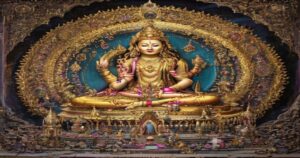
Unveiling the Mystical Realm of Shambhala and Gyanganj
Delve into the mystical realms of Shambhala and Gyanganj, where ageless yogis and bodhisattvas preserve…

Reflections on the Bhagavad Gita
Exploring the timeless wisdom of the Bhagavad Gita