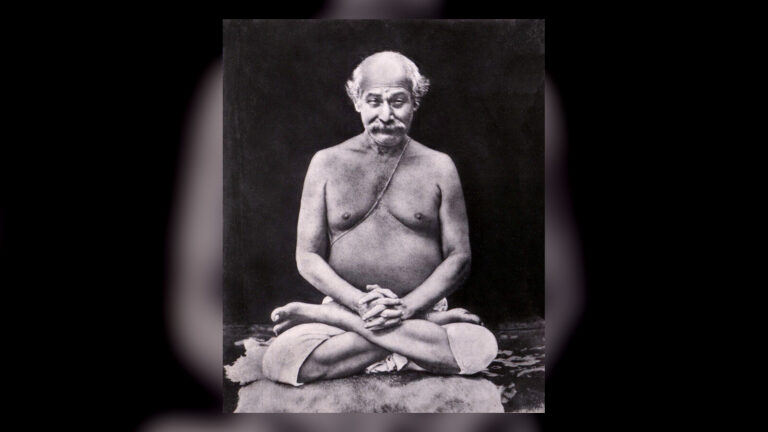
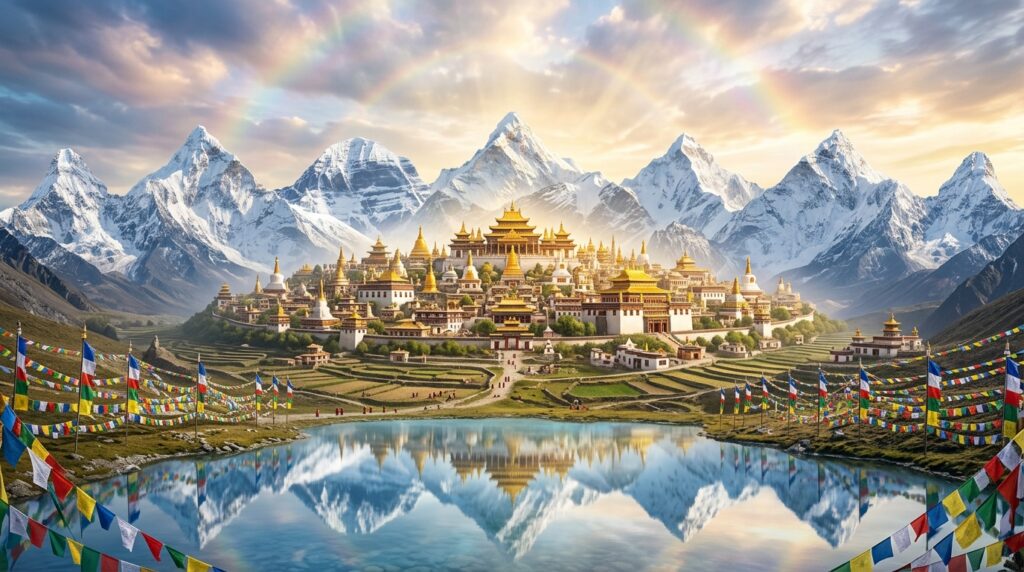

As recorded in Autobiography of a Yogi, Paramahansa Yogananda’s guru, Sri Yukteswar, would often speak of a mystical realm hidden deep within the Himalayas, known as Shambhala or Gyanganj. This fabled kingdom, according to tradition, is home to a community of enlightened beings who have transcended the limitations of the physical world, possessing knowledge and wisdom that dates back to the dawn of civilization. The story of Shambhala has captivated the imagination of spiritual seekers for centuries, with its promise of a hidden utopia where the inhabitants live in harmony with nature and have attained the highest states of spiritual realization.
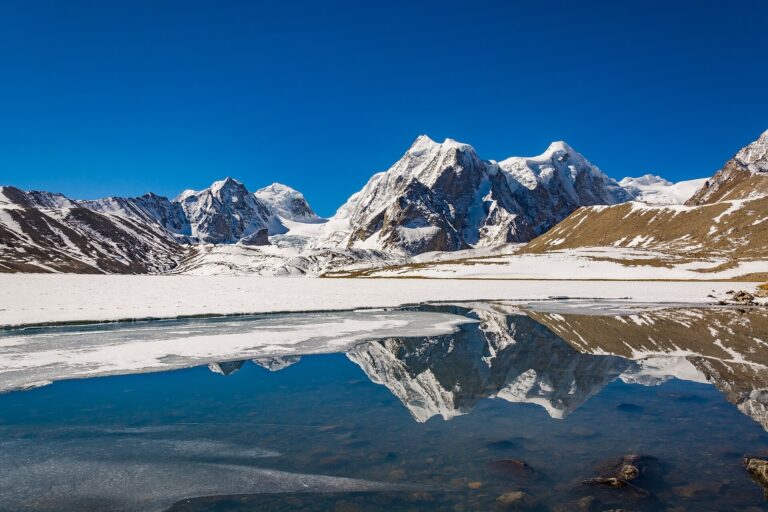
Sri Yukteswar, as quoted by Yogananda, described Shambhala as a place of breathtaking beauty, nestled in a valley surrounded by towering mountain peaks, where the air is filled with the sweet fragrance of exotic flowers and the soft songs of birds. The inhabitants of this mystical realm, he said, are the guardians of ancient wisdom, possessing knowledge of the universe and the secrets of life and death. They are said to live in a state of perfect harmony, free from the conflicts and sufferings that plague the world outside their hidden valley. Tradition holds that Shambhala is located in the heart of the Himalayas, in a region that is inaccessible to the uninitiated, hidden behind a veil of glaciers and snow-capped peaks.
The concept of Shambhala is rooted in Buddhist and Hindu traditions, with references to this mystical realm found in ancient texts such as the Kalacakra Tantra (Wheel of Time Tantra, a Buddhist scripture) and the Puranas (Hindu scriptures). The Russian artist and mystic, Nicholas Roerich, who traveled extensively throughout the Himalayas in the early 20th century, wrote about his encounters with Tibetan lamas who spoke of Shambhala as a real place, hidden deep within the mountains. Roerich’s expedition account, as recorded in his book Shambhala: In Search of the New Era, provides a fascinating glimpse into the world of Himalayan mysticism and the enduring legend of Shambhala.
The idea of Shambhala has also been explored in the writings of the Indian sage, Swami Vivekananda, who spoke of the need for a spiritual revival in the world, which he believed could be inspired by the example of Shambhala. In his book, The Complete Works of Swami Vivekananda, Vivekananda writes about the importance of spiritual practice and self-realization, which he saw as the key to unlocking the secrets of the universe and achieving a state of enlightenment, similar to that attained by the inhabitants of Shambhala. The Bhagavad Gita, a scripture that is revered by Hindus and Buddhists alike, also contains references to the concept of a hidden, spiritual realm, where the enlightened beings reside, guiding humanity towards the path of righteousness and self-realization.
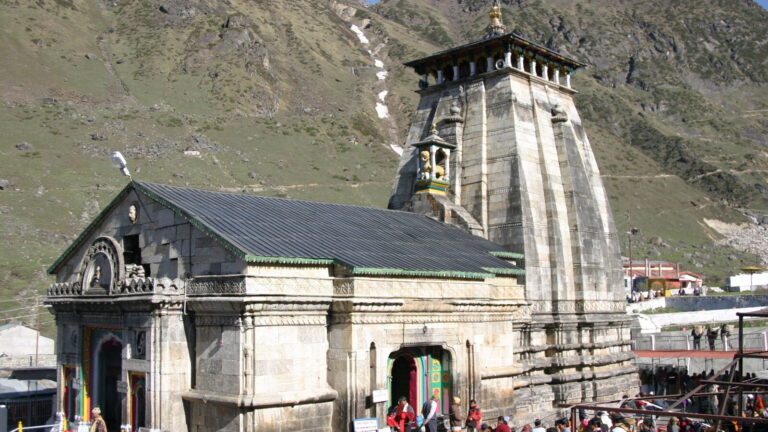
As I reflect on the tradition of Shambhala, I am struck by the power of the human imagination to create and sustain a vision of a perfect world, a world that is free from suffering and conflict. The concept of Shambhala represents a deep-seated desire for transcendence, a desire to escape the limitations and challenges of the physical world and to experience a state of freedom and bliss. Whether or not Shambhala exists as a physical place, its significance lies in its ability to inspire us to strive for a higher state of consciousness, to seek out the wisdom and knowledge that will guide us on our own spiritual journey. For more on the spiritual significance of the Himalayas, see Himalayan Sages and Kedarnath Pilgrimage. The Bhagavad Gita Chapter 2 also offers valuable insights into the nature of the self and the path to self-realization.
The search for Shambhala, therefore, becomes a metaphor for the spiritual quest itself, a quest that requires us to look within, to seek out the wisdom and guidance that will lead us to our own inner Shambhala, a state of consciousness that is characterized by peace, harmony, and enlightenment. As we navigate the challenges and complexities of our modern world, the legend of Shambhala reminds us of the importance of holding on to our ideals, of striving for a world that is more just, more compassionate, and more peaceful. The story of Shambhala teaches us that even in the darkest of times, there is always hope, always a possibility for transformation and renewal, and that the pursuit of spiritual growth and self-realization is the key to unlocking our full human potential.
In the end, the significance of Shambhala lies not in its physical existence, but in its ability to inspire us to dream of a better world, a world that is guided by the principles of wisdom, compassion, and harmony, and to strive for a state of consciousness that is characterized by enlightenment and freedom. As we continue on our own spiritual journey, may the legend of Shambhala guide us, may its wisdom and inspiration illuminate our path, and may we always remember that the true Shambhala is the one that exists within us, waiting to be discovered and realized.