
परिचय
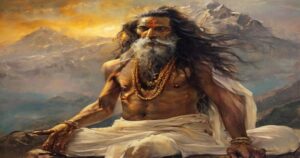
जैसा कि महान संत, आदि शंकराचार्य, ने एक बार कहा, “यत् करोषि यत् अश्नासि (यत् करोषि यत् अश्नासि)” या ‘जो कुछ भी आप करते हैं, जो कुछ भी आप खाते हैं,’ ईश्वर को अर्पित किया जाता है। यह दर्शन हिमालय के पवित्र तीर्थ स्थलों में, जिनमें से एक केदारनाथ है, में गहराई से जड़ा हुआ है।
पौराणिक कथा और इतिहास
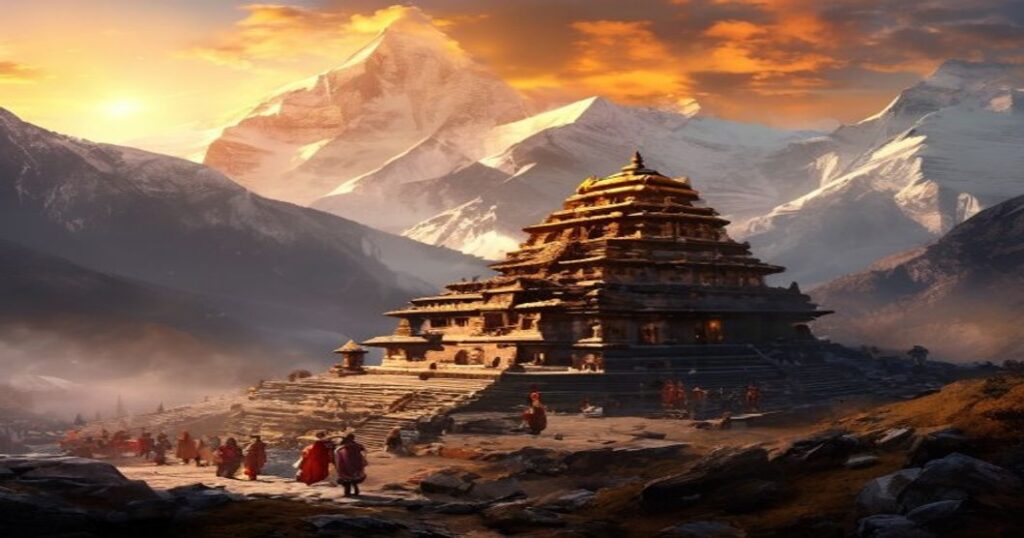
केदारनाथ, जो ३,५८४ मीटर की ऊंचाई पर स्थित है, भारत में बारह ज्योतिर्लिंग (ज्योतिर्लिङ्ग) में से एक है। शिव पुराणम् (शिव पुराणम्) के अनुसार, केदारनाथ वह स्थल है जहां भगवान शिव एक बैल के रूप में प्रकट हुए और बाद में जमीन में गायब हो गए, जिससे उनका हump पीछे रह गया, जिसे केदारनाथ ज्योतिर्लिंग के रूप में पूजा जाता है।
कैसे जाएं
केदारनाथ की यात्रा का सबसे अच्छा समय मई से जून और सितंबर से अक्टूबर तक है। हालांकि, आगंतुकों को उच्च ऊंचाई और संभावित वर्षा के प्रति सावधान रहना चाहिए। यात्रा में गौरीकुंड से १४ किलोमीटर की पैदल दूरी शामिल है, जो चुनौतीपूर्ण हो सकती है। कोई अनुमति आवश्यक नहीं है, लेकिन यात्रा शुरू करने से पहले गौरीकुंड चेक पोस्ट पर पंजीकरण करना सलाह दी जाती है।
आचार और निकटवर्ती आध्यात्मिक स्थल
केदारनाथ में सबसे महत्वपूर्ण आचार महा अभिषेकम (महा अभिषेकम्) है, जो ज्योतिर्लिंग का एक औपचारिक स्नान है। निकटवर्ती आध्यात्मिक स्थलों में वासुकि ताल (वासुकि ताल), चोराबरी ताल (चोराबरी ताल), और शंकराचार्य समाधि (शङ्कराचार्य समाधि) शामिल हैं।
आध्यात्मिक महत्व
केदारनाथ आध्यात्मिक विकास और आत्म-साक्षात्कार की सारवस्तु को दर्शाता है। स्थल तक की कठिन यात्रा जीवन की यात्रा के लिए एक रूपक है, जहां एक को ज्ञान प्राप्त करने के लिए चुनौतियों को पार करना होता है।
आज कैसे अनुभव करें
जो लोग केदारनाथ की आध्यात्मिक ऊर्जा का अनुभव करना चाहते हैं, वे प्राणायाम (प्राणायाम) और ध्यान (ध्यान) जैसे ध्यान अभ्यासों का लाभ उठा सकते हैं। आगंतुक ऋषिकेश (ऋषिकेश) और हरिद्वार (हरिद्वार) जैसे निकटवर्ती शहरों का भी अन्वेषण कर सकते हैं, जो विभिन्न आध्यात्मिक गतिविधियों और सेवाओं की पेशकश करते हैं।
सिफारिशित पठन
केदारनाथ के पौराणिक कथा और इतिहास की गहरी समझ के लिए, निम्नलिखित पुस्तकें सिफारिश की जाती हैं: योगी की आत्मकथा परमहंस योगानंद द्वारा, पवित्र विज्ञान श्री युक्तेश्वर द्वारा, और हिमालय और तिब्बत स्वामी प्राणवानंद द्वारा।
प्रश्नोत्तर
- प्रश्न: केदारनाथ की यात्रा का सबसे अच्छा समय कब है?
उत्तर: केदारनाथ की यात्रा का सबसे अच्छा समय मई से जून और सितंबर से अक्टूबर तक है। - प्रश्न: क्या मुझे केदारनाथ की यात्रा के लिए अनुमति की आवश्यकता है?
उत्तर: नहीं, लेकिन यात्रा शुरू करने से पहले गौरीकुंड चेक पोस्ट पर पंजीकरण करना सलाह दी जाती है। - प्रश्न: महा अभिषेकम अनुष्ठान का क्या महत्व है?
उत्तर: महा अभिषेकम ज्योतिर्लिंग का एक औपचारिक स्नान है, जो केदारनाथ में एक महत्वपूर्ण अनुष्ठान है। - प्रश्न: केदारनाथ के निकट कौन से आध्यात्मिक स्थल हैं?
उत्तर: निकटवर्ती आध्यात्मिक स्थलों में वासुकि ताल, चोराबरी ताल, और शंकराचार्य समाधि शामिल हैं। - प्रश्न: मैं केदारनाथ की आध्यात्मिक ऊर्जा का अनुभव कैसे कर सकता हूं?
उत्तर: ध्यान अभ्यास जैसे प्राणायाम और ध्यान लाभदायक हो सकते हैं, और आगंतुक ऋषिकेश और हरिद्वार जैसे निकटवर्ती शहरों का भी अन्वेषण कर सकते हैं। - प्रश्न: केदारनाथ की गहरी समझ के लिए कौन सी पुस्तकें सिफारिश की जाती हैं?
उत्तर: योगी की आत्मकथा, पवित्र विज्ञान, और हिमालय और तिब्बत सिफारिश की जाती हैं।
ओम शांति (ओम् शान्ति).
🕉️ Personalized Vedic Reading - ₹299
25-page detailed birth chart, delivered in 2 hours
Get My Reading →Career, marriage, health predictions | 7-day money back
💸 RECOMMENDED OFFERS
Editor-picked apps with cashback + first-time discounts
Affiliate disclosure: Refer karne pe small commission milta hai (no extra cost to you)